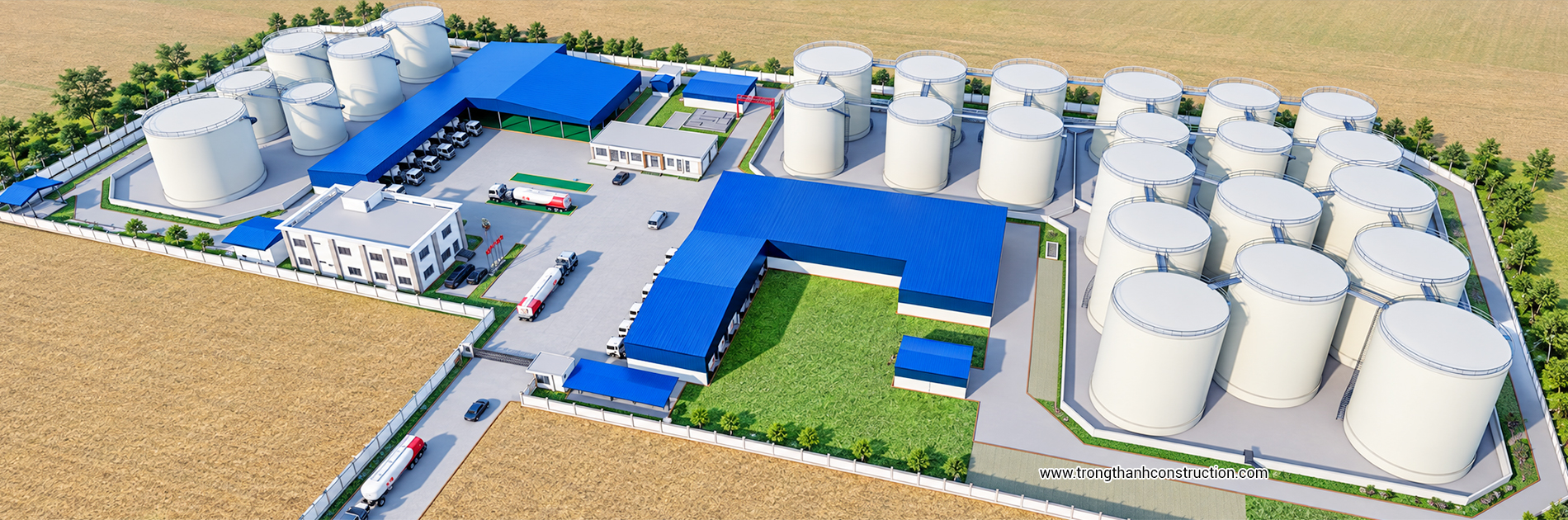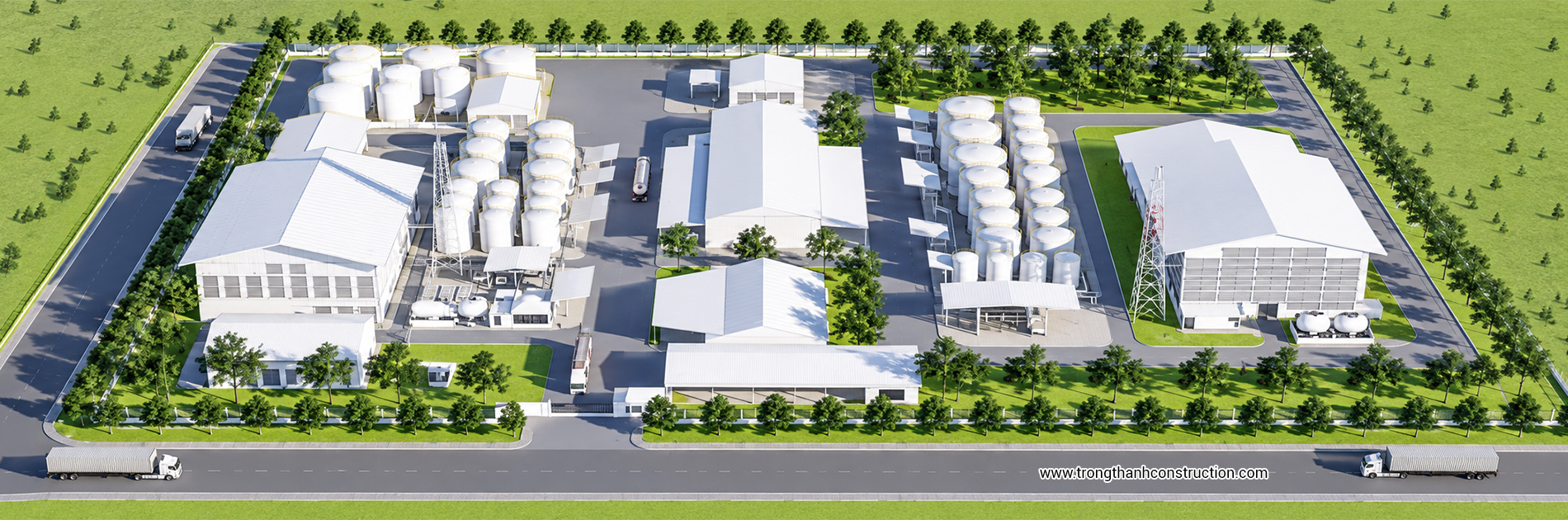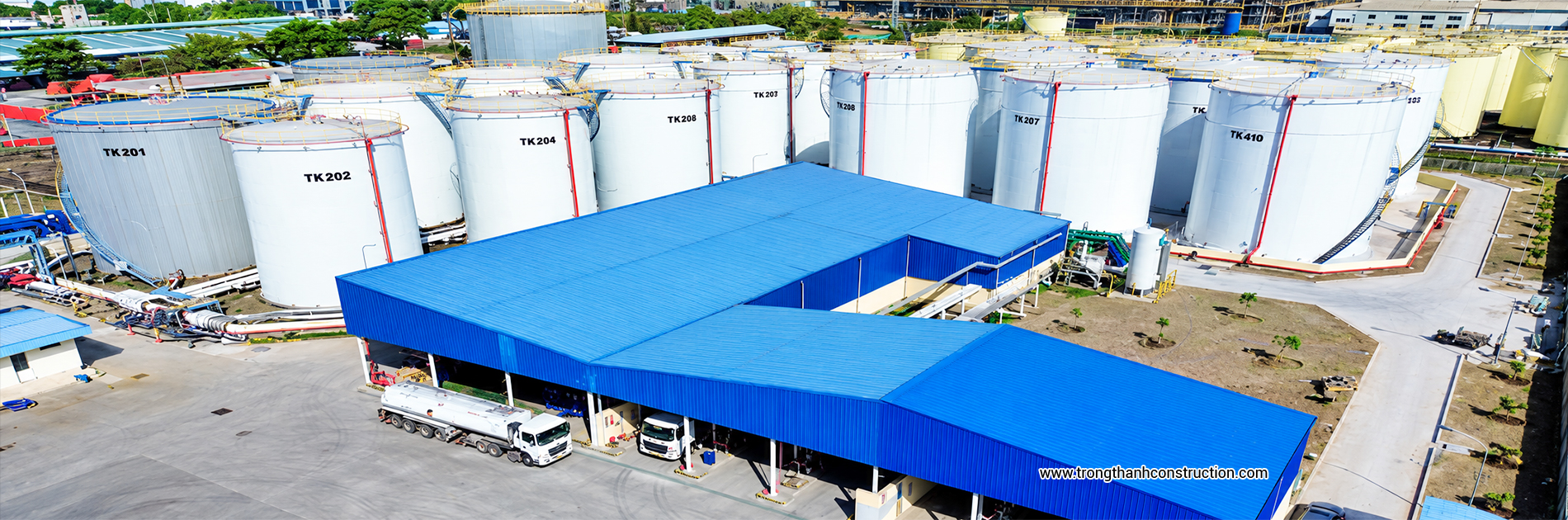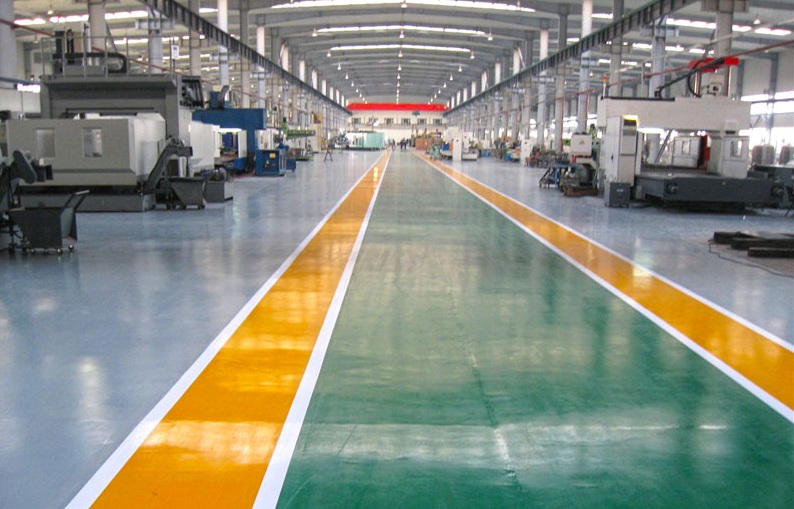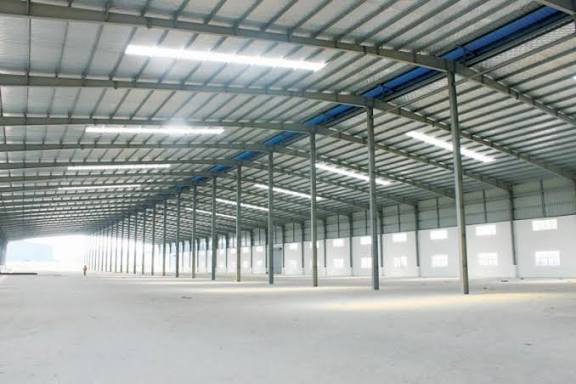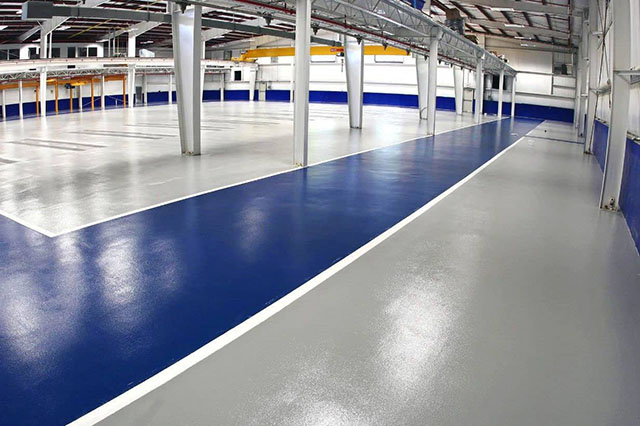
Smart factory solutions refer to a manufacturing system defined as a production system where machinery and equipment are enhanced to become automated and self-optimizing, connected and controlled via advanced technologies such as the Internet of Things (IoT), Artificial Intelligence (AI), Big Data, and Automation. Smart factories utilize sensors, intelligent machinery, and analytical algorithms to optimize the entire manufacturing value chain, including real-time monitoring, control, and process improvement.
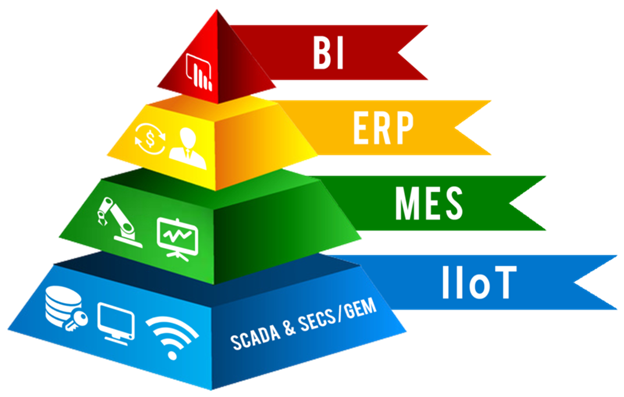
Manufacturing Execution System
MES (Manufacturing Execution System) is an integrated manufacturing system focused on real-time shop floor monitoring, control, logistics, history tracking, and product quality management, aiming to enhance productivity and business efficiency.
Automated Material Handling System in Factories
AGV (Automated Guided Vehicle) robots are automated vehicles used in automated transport processes and systems. AGVs are designed to perform tasks involving the transportation and movement of goods or materials within a specific environment without human intervention.
Automation Machinery
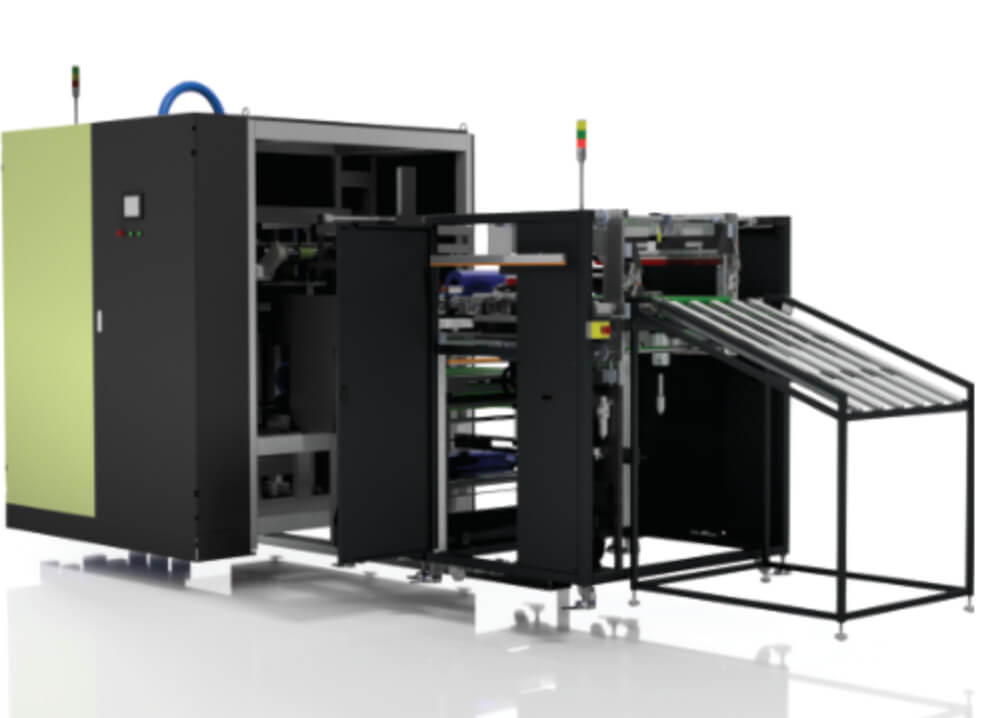
Providing automation solutions and manufacturing equipment and machinery for the industrial automation sector. STI manufactures a diverse range of machinery and automated systems featuring high optimization and utility value.
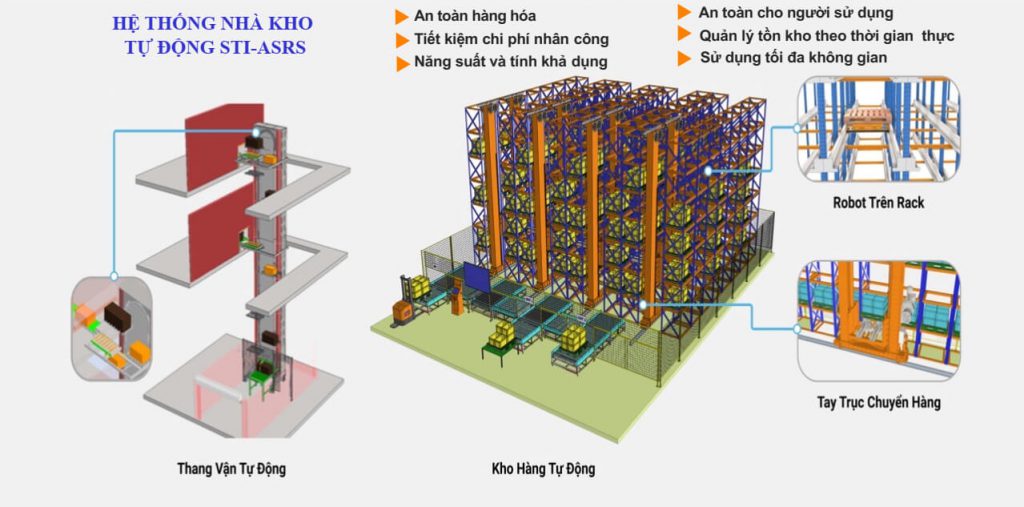
Automated Storage and Retrieval System (ASRS)

Steps to Build a Smart Factory
- Planning and Goal Setting: Define production targets, select technologies, and establish a financial plan.
- Technology Selection: Deploy automation, IoT, AI, and Big Data to optimize production.
- Infrastructure Development: Set up networks, connect smart devices, and establish control systems.
- Process Optimization: Automate production processes, monitor quality, and improve efficiency.
- Management Software Integration: Utilize MES and ERP to coordinate factory operations.
- Energy Solution Application: Save energy and reduce carbon emissions.
- Employee Training: Ensure staff can operate new technologies and participate in continuous improvement processes.
- Testing and Optimization: Evaluate performance and continuously refine processes.
- Maintenance and Technical Support: Ensure reliable equipment operation.
- Continuous Improvement: Analyze data and seek ways to optimize processes to maximize efficiency.
Benefits for Businesses
- Increased Productivity: Automating processes speeds up production, minimizes errors, and enhances overall efficiency.
- Reduced Operational Costs: Optimizes resource utilization, minimizing waste and labor costs.
- Improved Product Quality: Automated quality monitoring enables timely defect detection, ensuring high product standards.
- Optimized Production Processes: Data analytics helps refine production workflows, reduce downtime, and boost effectiveness.
- Enhanced Flexibility: Smart factories can rapidly adapt processes to meet changing market demands.
- Better Management: ERP and MES systems provide comprehensive visibility into production operations, enabling accurate and fast decision-making.
- Environmental Protection: Energy-saving and emission-reduction solutions minimize negative environmental impact.
- Competitiveness and Innovation: Investing in modern technologies helps businesses maintain a competitive edge and achieve sustainable growth.