TRONG THANH CONSTRUCTION CO., LTD.
LEGAL CONSULTING AND FACTORY CONSTRUCTION
02513 686 155


TRONG THANH CONSTRUCTION CO., LTD.
LEGAL CONSULTING AND FACTORY CONSTRUCTION
02513 686 155
Epoxy flooring is a straightforward concept describing a floor surface composed of multiple layers of epoxy with a minimum thickness of 2mm. Epoxy flooring and epoxy floor coatings are often used synonymously, with the main difference lying in the thickness of the epoxy layer.
Epoxy, a unique polymer material, consists of epoxy resin, colorants, solvents, and other additives. The hardener is the decisive factor that binds the epoxy molecules together. From an initial liquid state, epoxy converts into a solid polymer through a chemical reaction. The resulting epoxy polymer is mechanically durable, highly resistant to chemical corrosion when solid (under finished floor conditions), and possesses high adhesion capabilities during its transition from liquid to solid (during application).
Exploring the versatility of basic epoxy chemistry offers opportunities to formulate epoxy systems with specialized properties—such as anti-static, anti-bacterial, temperature-resistant, impact-resistant, and abrasion-resistant flooring—tailored to specific end-user applications.
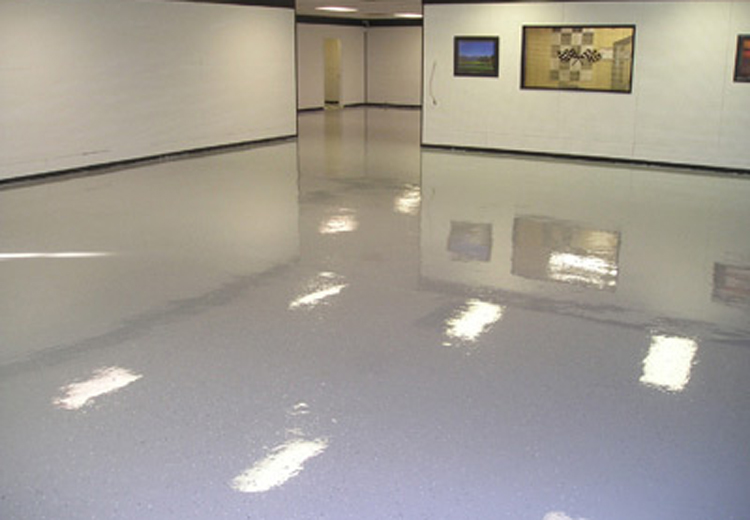
In English, "PU" stands for Polyurethane, a polymer with numerous practical applications in daily life. Known for creating flat surfaces with flexible thicknesses—typically ranging from 3mm to 6mm—PU coating delivers maximum performance for industrial factories while displaying high aesthetic appeal.
The structure of PU flooring consists of three primary components: a primer coat, a color coat, and a topcoat. Each component plays an essential role:
Polyurethane coating serves not only as a protective shield for floor surfaces but also as a visual highlight, showcasing flexibility and creativity in spatial design.
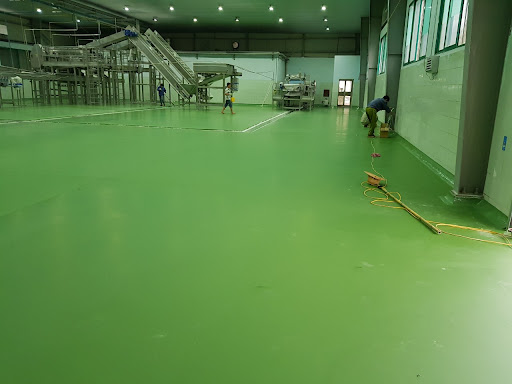
PU concrete flooring, also known as Polyurethane concrete, stands out as one of the most rugged, heavy-duty, field-applied industrial floorings available compared to standard Epoxy or Polyurethane alternatives. The main composition of PU concrete flooring includes resin materials combined with fillers, hardeners, and pigments. This mixture is blended on-site using high-speed mixers, and installation proceeds rapidly due to the material's fast-curing properties.
The distinguishing feature of PU concrete flooring is its greater application thickness compared to standard Epoxy or Polyurethane coatings, typically ranging from 3mm to 12mm, depending on specific load capacity and chemical resistance requirements.
Durable and exceptionally strong, PU concrete combines the characteristics of synthetic resins with the strength of concrete. Key advantages make PU concrete floors a top choice for industrial flooring solutions across commercial areas, basements, and parking facilities:
Concrete flooring is not only an excellent alternative to traditional floor coverings like linoleum, carpet, wood, tile, or marble, but it also offers unlimited design possibilities. Selecting colors, textures, patterns, and finishing options allows for the creation of unique spaces. Notably, concrete is exceptionally durable, long-lasting, and easy to maintain.
In practice, industrial-style decorative concrete flooring requires low application thickness and offers high adaptability, making it suitable for almost any surface. With a simple application process and compatibility with various materials, concrete floors are classified into several types based on structure or composition, such as polished concrete, stained concrete, and decorative concrete.
 56B, Group 9, Area 10, Tam Hiep Ward, Dong Nai city
 02513 686 155 - Zalo: 0916482945 - Fax: 02513 686 153
 xdtrongthanh2009@gmail.com
 www.trongthanhconstruction.com

Hotline


